Fluidmaster Takes on CRUK’s Big Hike in the Brecon Beacons
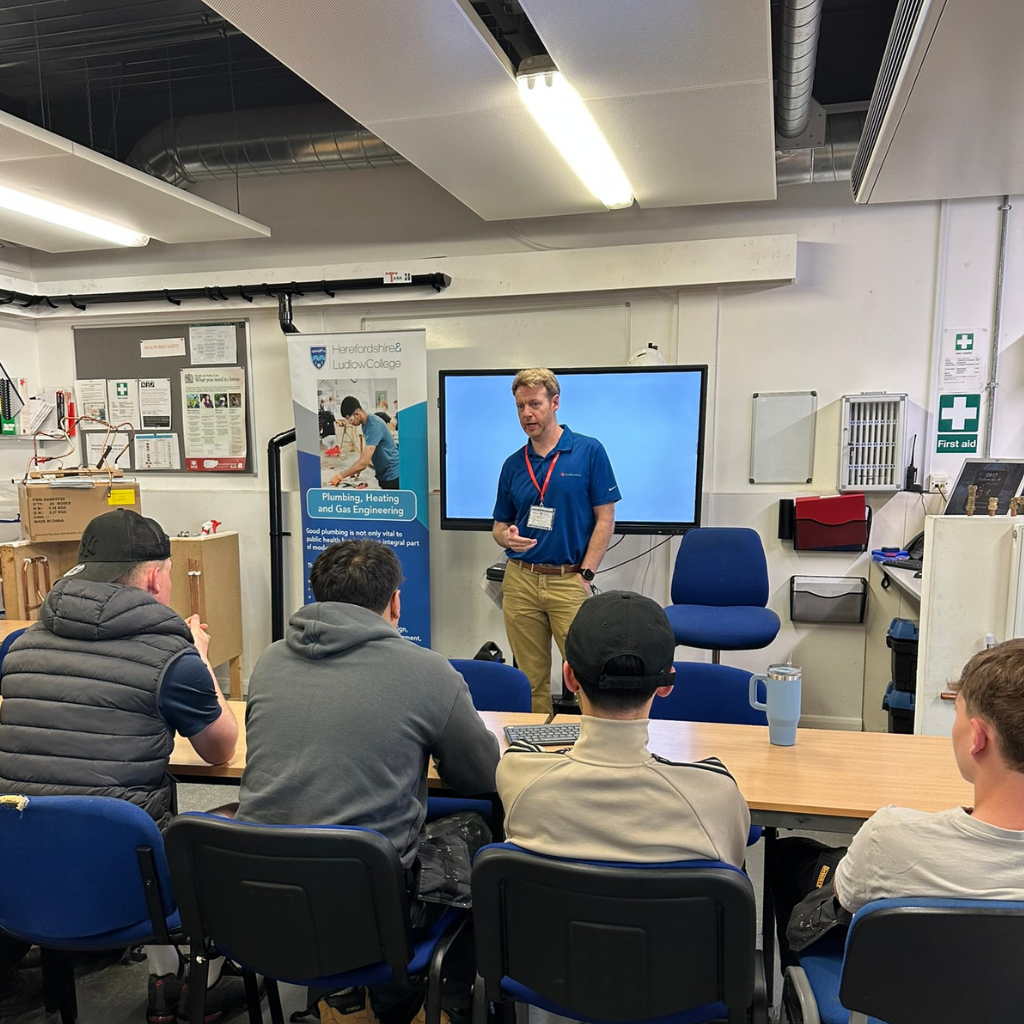
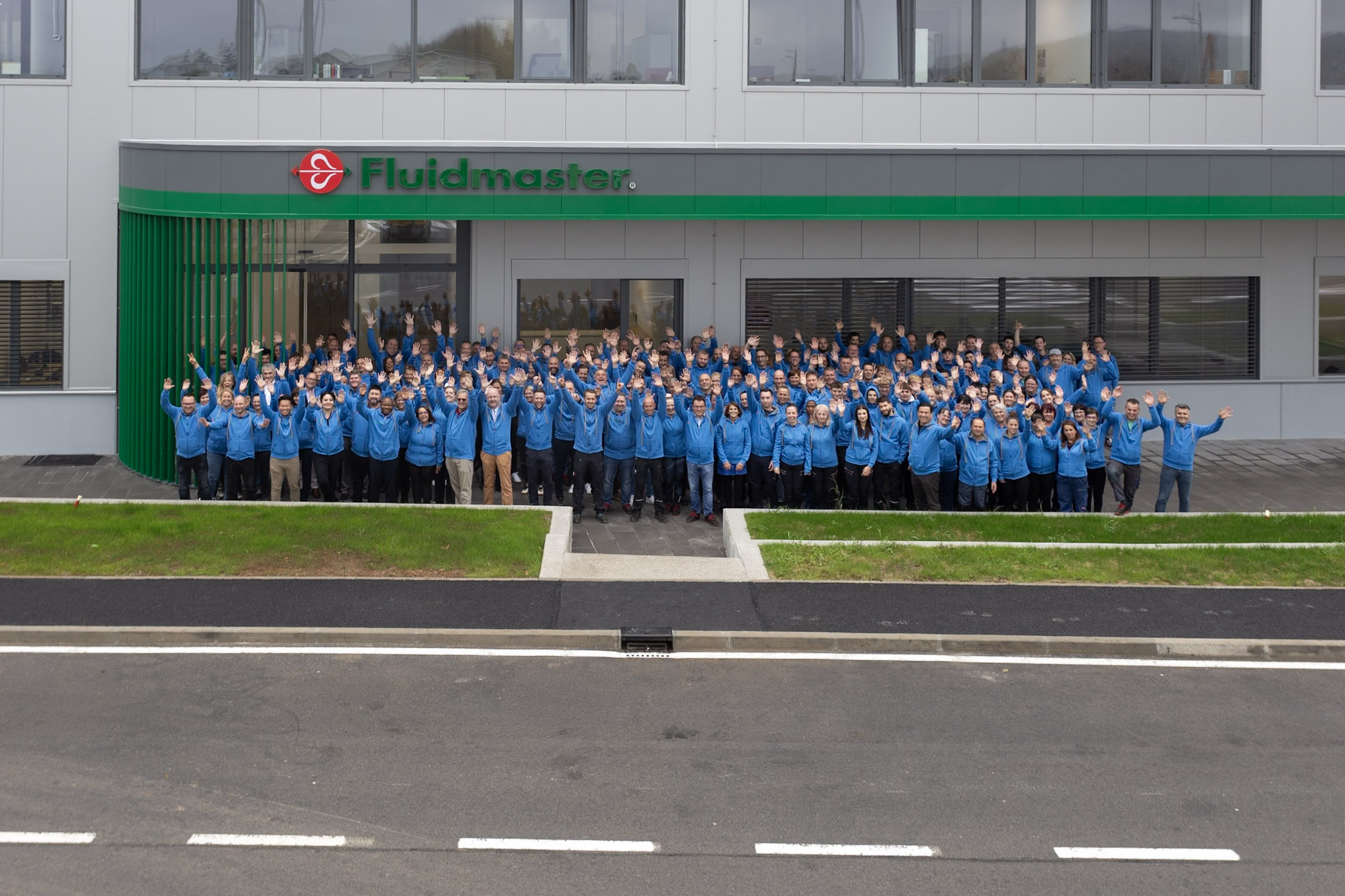
On Saturday 6th June, eight members of the Fluidmaster...
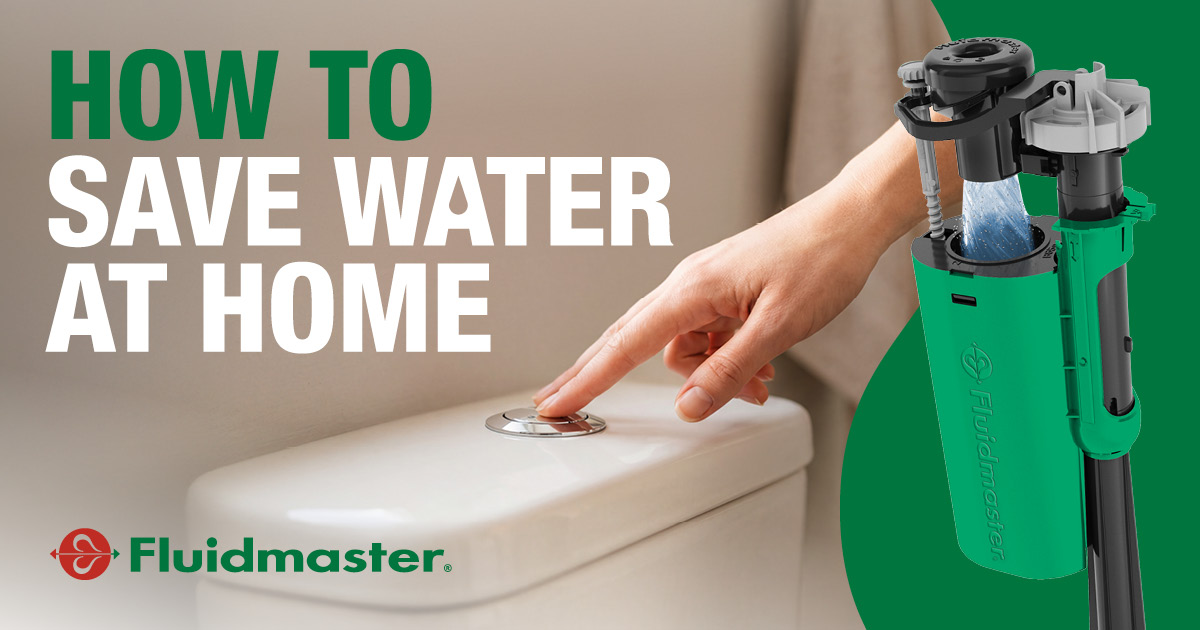
How to save water at home
The heatwaves may have eased, but water scarcity remains a serious issue across the UK.
This summer’s hot, dry weather has put water use firmly back on the agenda.
At the height of this summer’s drought, 71% of England by land was officially classed as being in drought, with temporary water-use restrictions affecting around 30 million people. Despite recent rainfall, national reservoir storage remains 19.7% below average for the time of year, highlighting the continued importance of reducing water waste at home.
With pressure on water resources continuing, there are simple steps we can all take to reduce the amount of water we use at home.
Keep showers short
One of the easiest places to start is in the bathroom.
A standard power shower uses at least 14 litres of water per minute, and Anglian Water estimates that two long power showers can use as much water as two full baths. Try keeping showers to around four minutes to reduce both water and energy use, as recommended by the Energy Saving Trust. A shower timer can help, particularly if you have a habit of losing track of time.
Make use of your dual flush
If your toilet has a dual-flush valve, make sure you’re actually using both options. The smaller or partial flush is designed for when a full flush isn’t needed, helping to reduce the amount of water used each time the toilet is flushed.
It’s a small change, but one that requires no extra effort once it becomes a habit. Not sure which button does what? Watch our short video on how to use dual-flush buttons correctly.
Check for leaks
A dripping tap is easy to spot, but a leaking toilet can be much less obvious.
Check that water isn’t continually running into the toilet pan after the cistern has filled and get any leaks repaired. Water UK estimates that a leaking toilet can waste as much as 400 litres of water a day. For more help, watch our short Leaky Loo help and advice video.
Look at what’s happening inside your cistern
The components inside your toilet can also make a difference to how much water is used.
A standard fill valve can begin refilling the cistern while the flush is still taking place. A delayed fill valve waits until the flush cycle has finished before the cistern starts to refill, without affecting performance.
The Fluidmaster Airgap 6000 Water Saving Fill Valve uses delayed fill technology and can save up to 1 litre of water with every flush. It can be fitted to virtually all cisterns, making it a straightforward option when replacing or upgrading an existing fill valve.
What difference can 1 litre really make?
One litre might not sound like very much, but toilets are used several times every day.
Based on our calculations, a four-person household switching to a fill valve that saves 1 litre with every flush could save more than 8,000 litres of water over the course of a year.
That’s the equivalent of more than 160 loads of laundry, based on around 50 litres per washing machine cycle.
For a household on a water meter, the saving isn’t just in litres. Using 2026/27 Wessex Water metered water and wastewater charges as an example, the same four-person household could save around £50 a year on its water and wastewater charges.*
Making water saving part of everyday life
Reducing household water use doesn’t necessarily require big changes.
Taking a shorter shower, using the partial flush, fixing a leaking toilet or choosing a water-saving valve when a part needs replacing can all help reduce the amount of water being used unnecessarily.
And with current drought conditions putting increasing pressure on water supplies, there’s a good reason to start looking at where those savings can be made.
Find out more about the Fluidmaster Airgap 6000 Water Saving Fill Valve.
*Calculation based on a four-person household and Wessex Water 2026/27 metered water supply and wastewater charges, excluding standing charges. Actual water and cost savings will vary depending on household occupancy, toilet use and local water charges.